This document is a contribution by the Elioth group (lead partner, together with Quattrolibri, Mana and Egis Conseil) to the City of Paris's strategy for reaching carbon neutrality by 2050. This study is a contribution to the debate: the measures set out are purely indicative and commit only the members of the group. The actions and strategies described form a body of work, a bouquet of actions describing "one" carbon-neutrality strategy: political action and citizens will surely come up with many others.
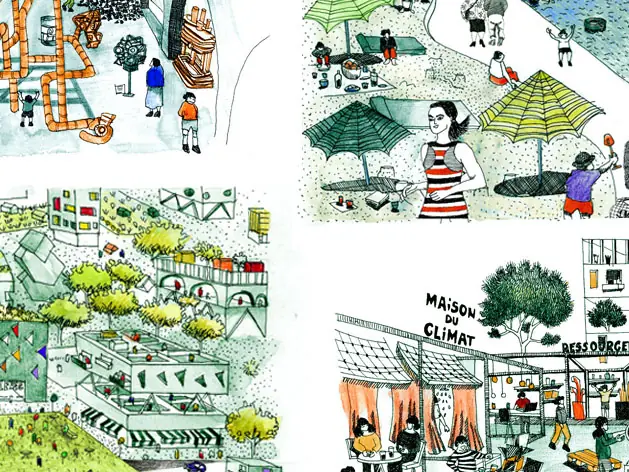
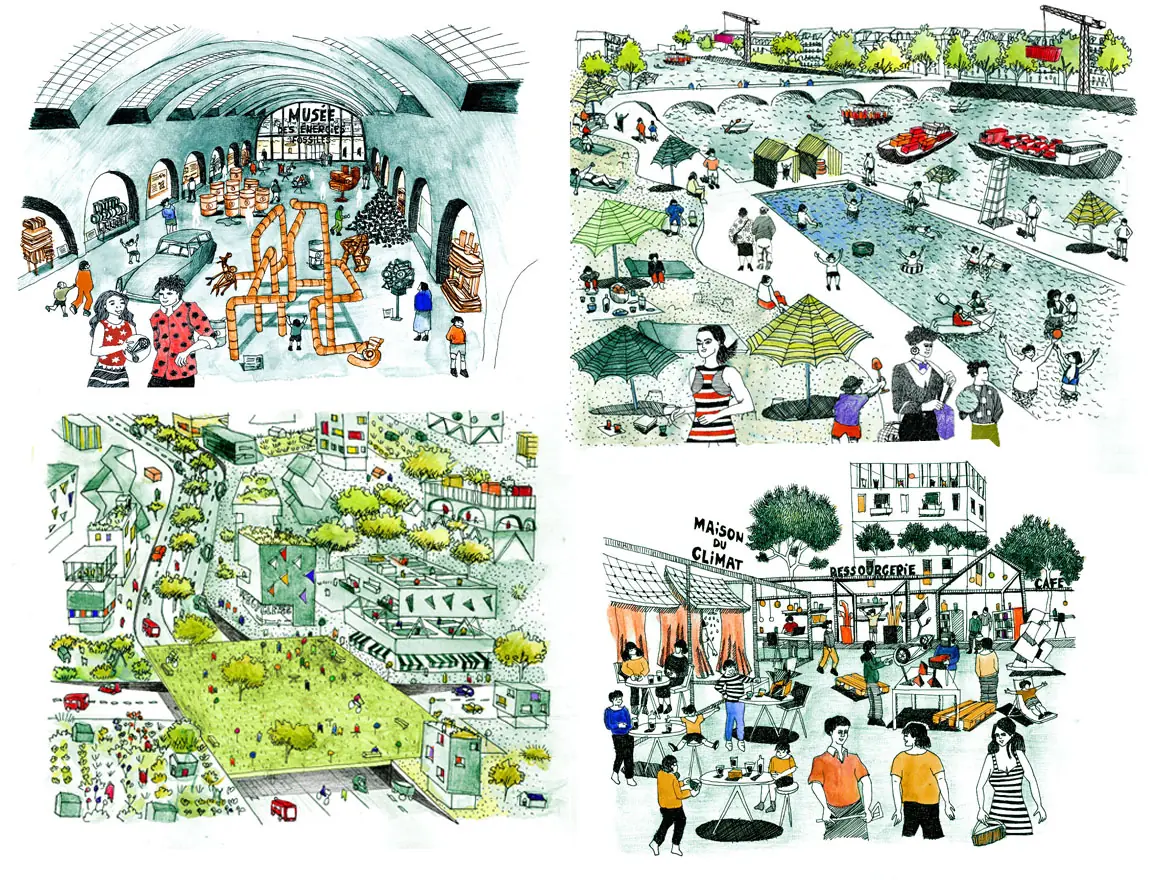
With humility, we offer not a bible but an Aladdin's cave: a teeming source of opportunities, challenges, questions, innovations, trajectories, ideas and stories.
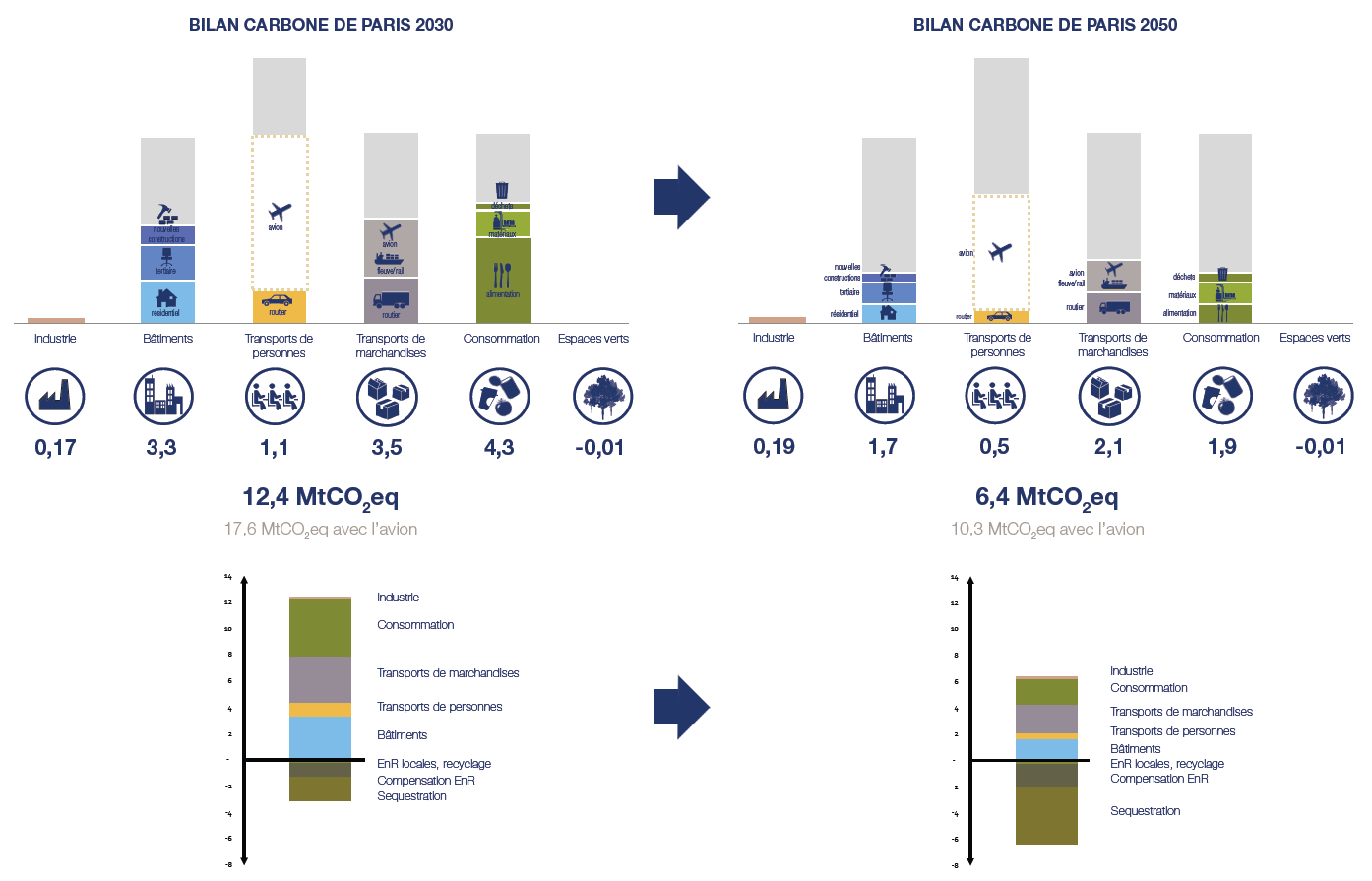
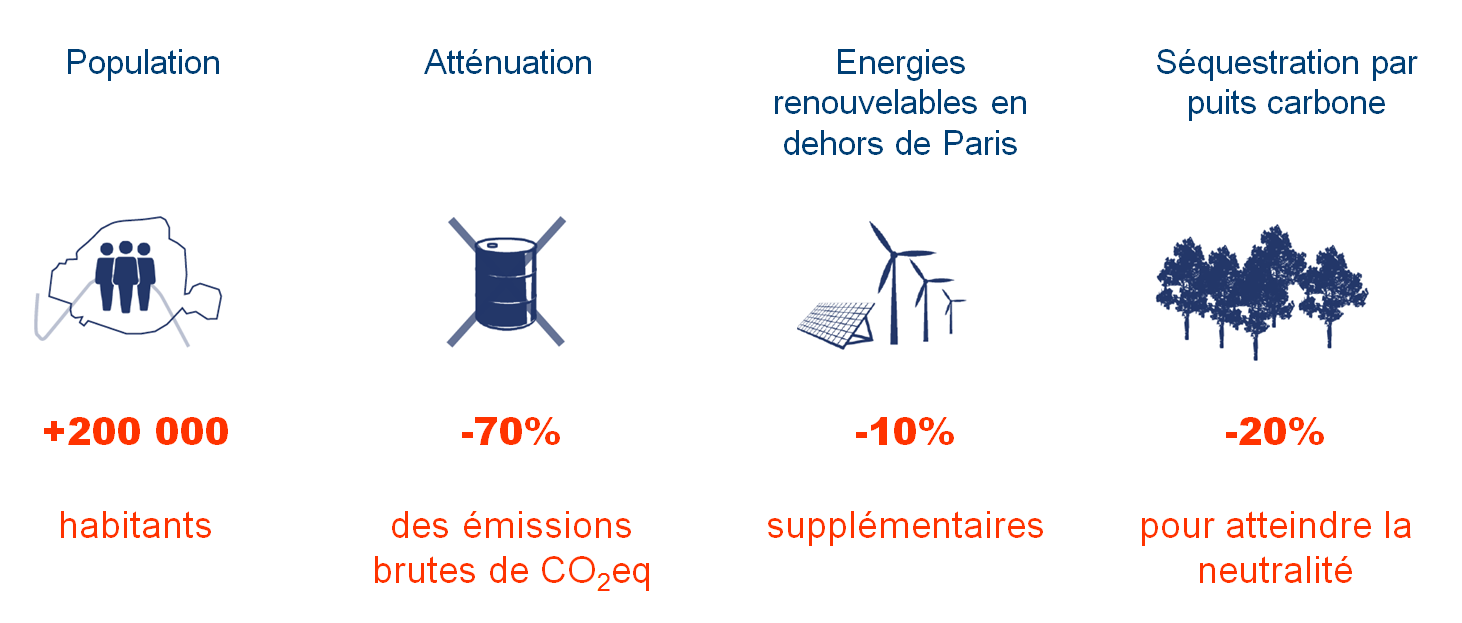
The scale of the task explains the length of this document: we explored the ramifications of the carbon-neutrality goal over 34 years, across every area of human activity: housing, transport and, of course, energy, but also waste, food, culture and leisure, economic models, and agronomic and biodiversity systems.
The nature of the issues addressed in this document goes far beyond the remit of Paris City Hall alone: food, for example, raises regional-planning challenges and the conversion of farms well beyond the boundaries of Paris, in jurisdictions or business models over which the City has no authority. That is the whole challenge of mobilising around the neutrality goal. While the various emission sources aggregated in our calculations are attached to Paris intra-muros, the solutions to be mobilised reach much further.
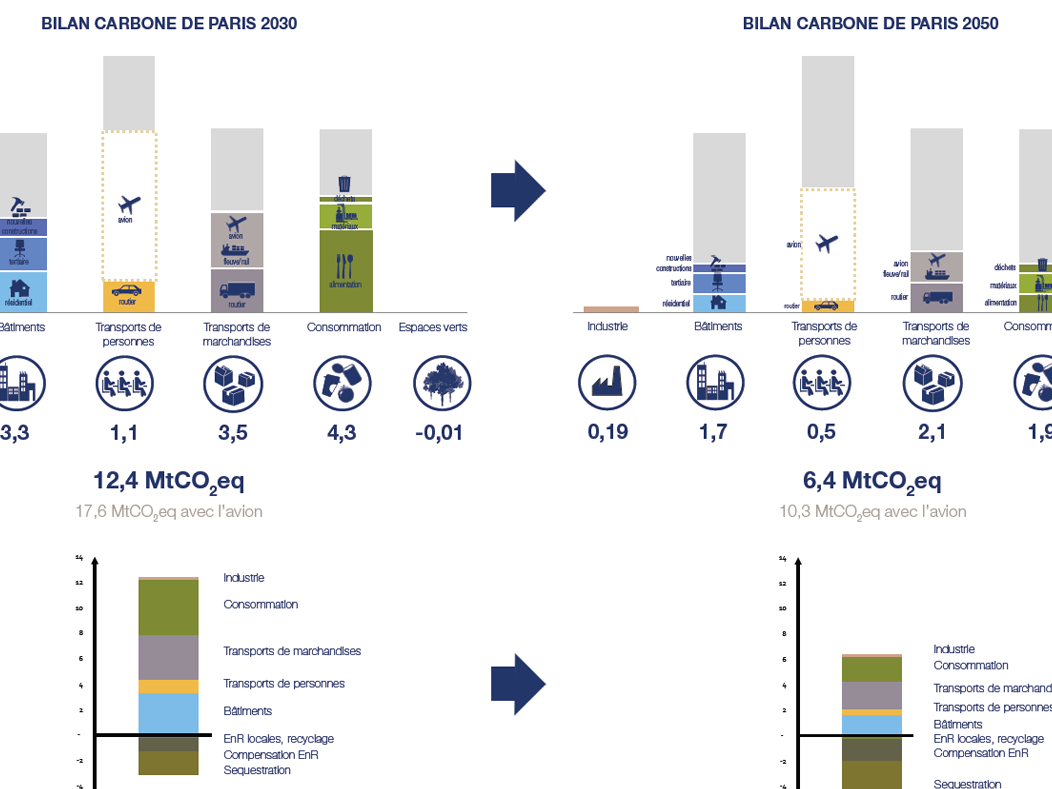
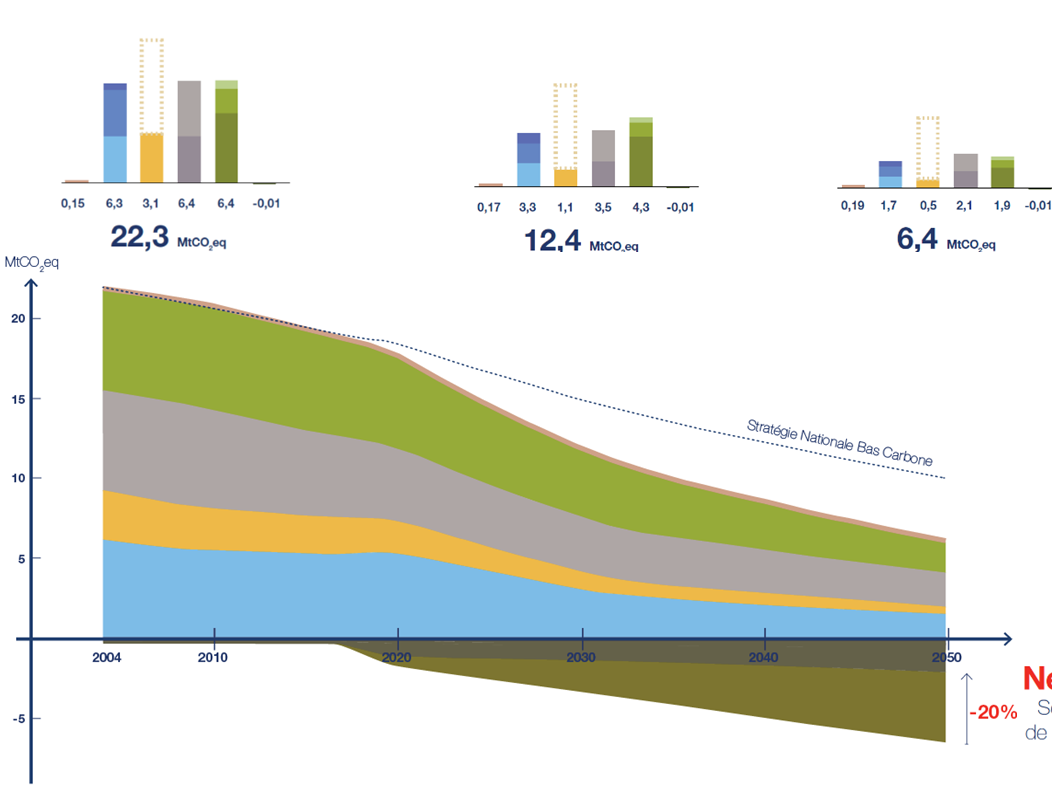
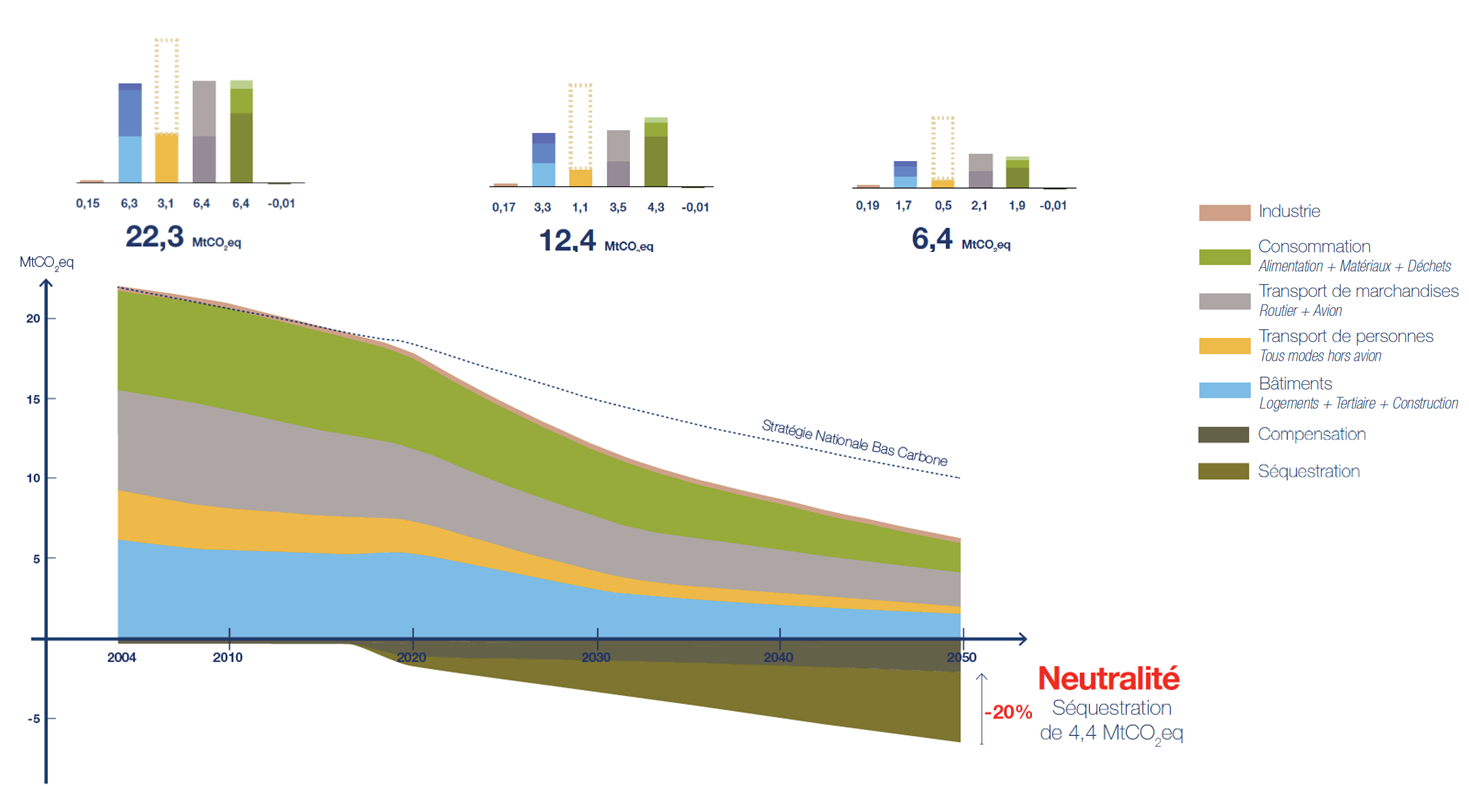
This carbon-neutrality strategy required sharp technical and scientific work, both to quantify the mitigation trajectories by theme and to model the changes in offsetting and in the sequestration of residual emissions. This version of the report says little about the very important modelling and simulation of trajectories, developed with the "R" software.
The model's output results are available in digital format. We are convinced that our model will be a very useful tool for testing other scenarios, assessing the sensitivity of various parameters, and providing a long-term simulation model in the coming years.
The document presents the narrative in several thematic forms (sociological, chronological and political, then expert in the methodological note):
• Section 1 (the challenge) and section 2 (the vision of Paris in 2050) are aimed in particular at specialists in territorial action: elected officials, technical staff, foresight specialists, climate-policy specialists and the main public-service operators (water, electricity, transport...);
• The thematic narrative of section 3 (the great story of carbon neutrality, 3.1) is aimed at professionals in the various themes covered, as well as experts, consultants and urban planners;
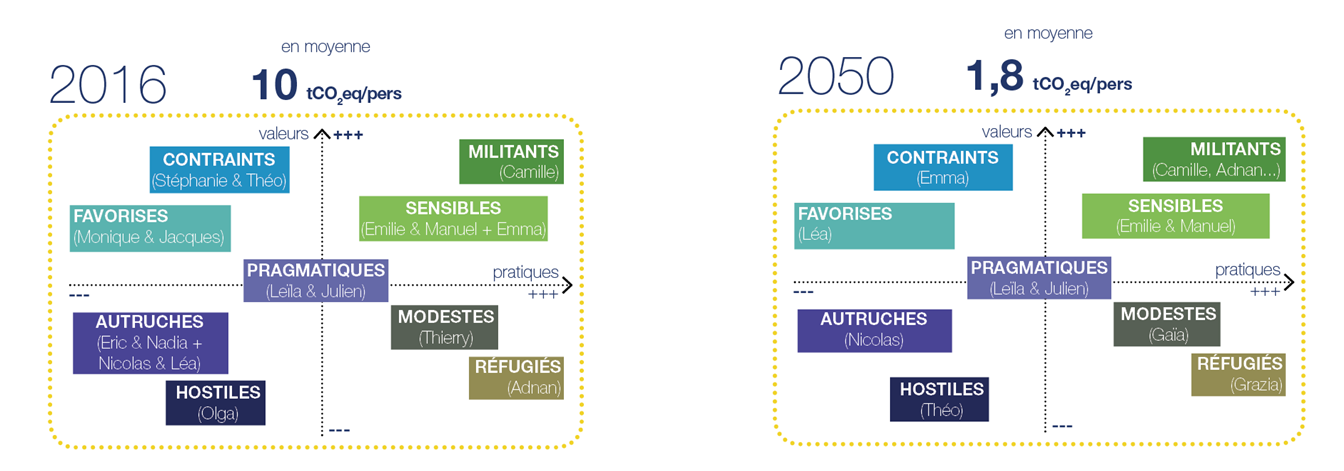
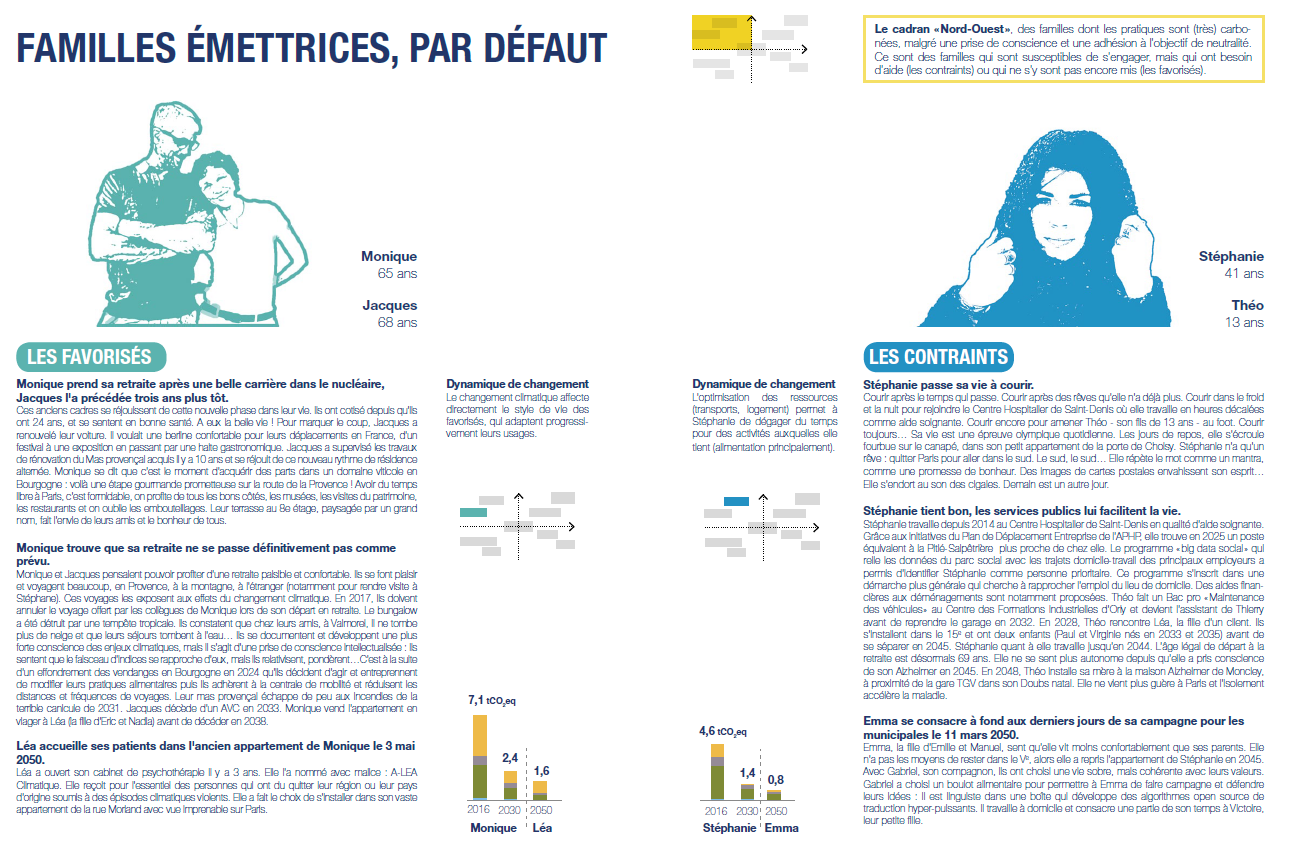
• The sociological narratives (3.2) are aimed at every reader:
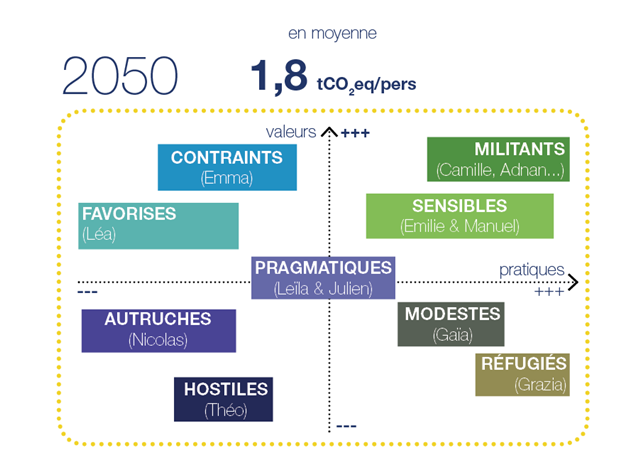
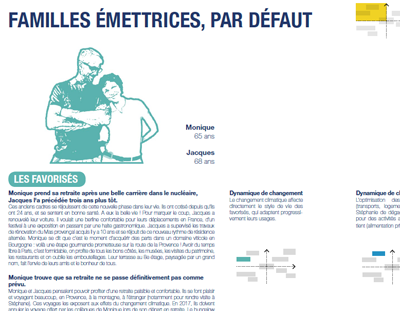
in this section you will probably recognise yourself in one of the 18 characters proposed; you can then refer to the account of the thematic measures for more detail on a given step of the story;
• The conclusion is open to every reader and sets out, as an opening, the milestones of a large-scale mobilisation to implement the key measures of the transition.
Our conclusion is unequivocal: the prospect of reaching carbon neutrality is within our reach. This prospect justifies all the energy and vitality of our recommendations, but also the radical nature of some of them. Through the stories of the families, we highlight the immense diversity of individual trajectories which, taken together, will shape the emissions of Parisians. This document is an invitation to draw many "spin-offs" from it: a TV saga, a digital simulator, plays, investment funds, political conferences, neighbourhood consultations.